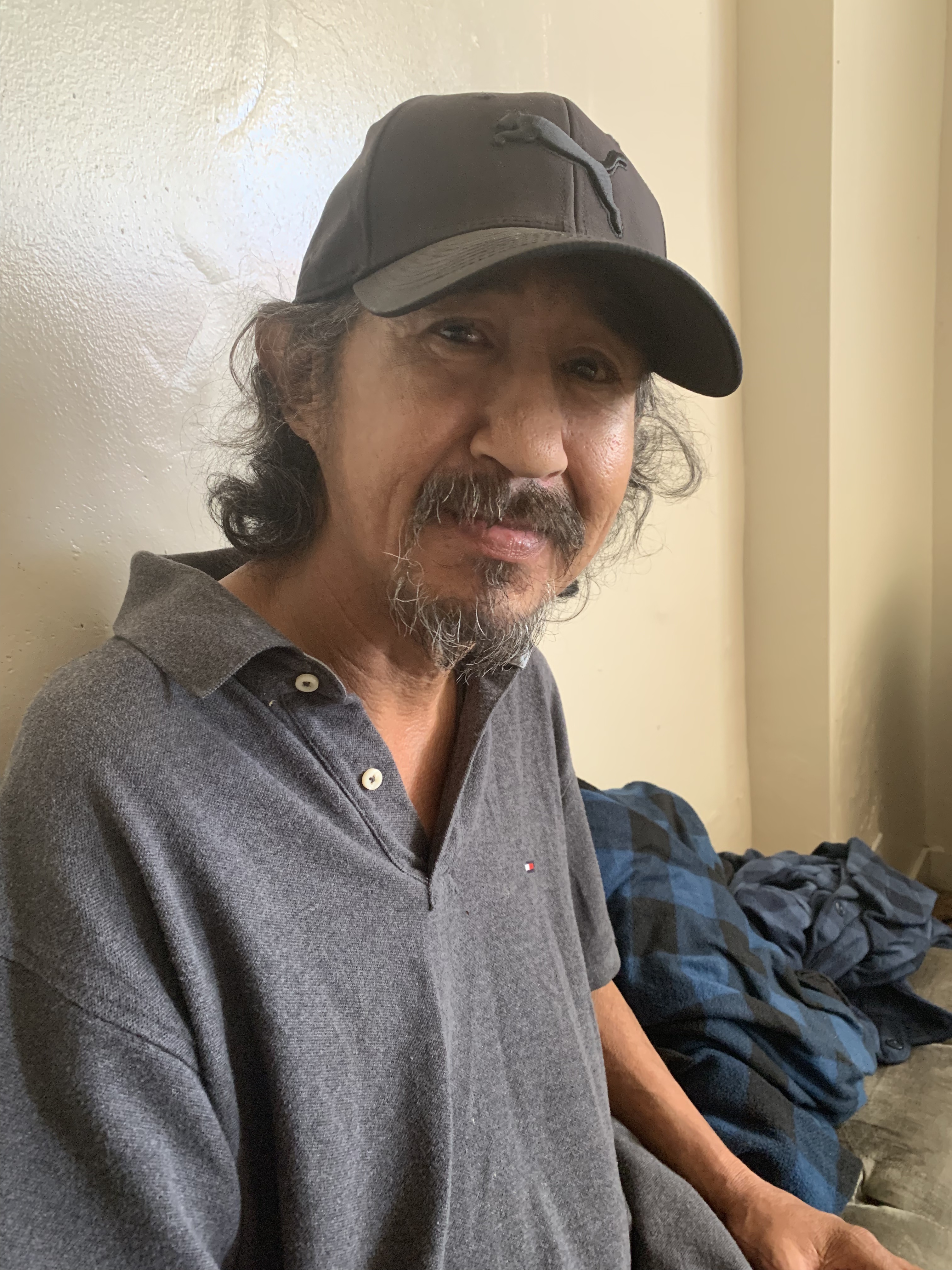
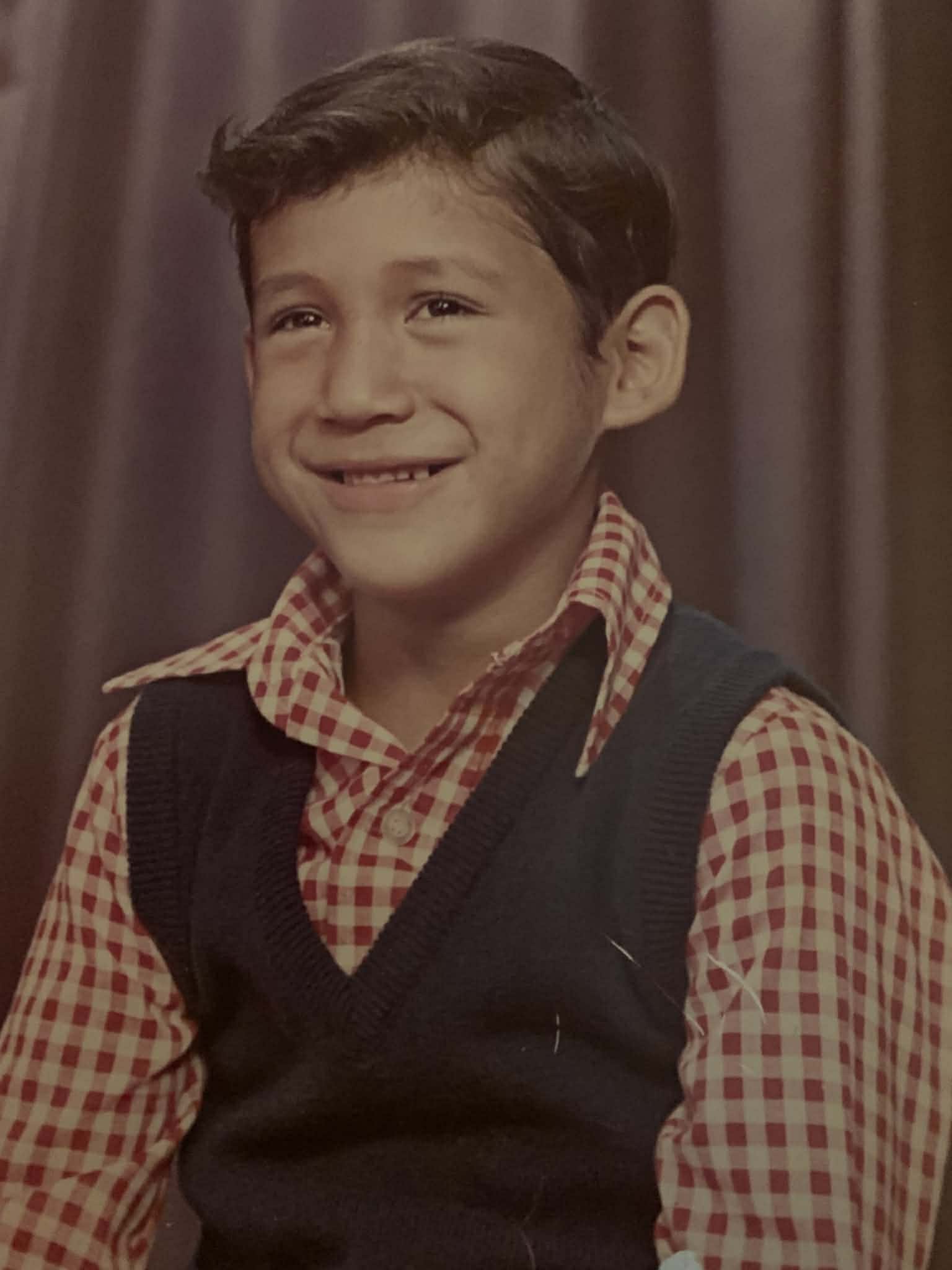
I actually can’t remember the very first time that we met, just that it was when I first arrived in Parkdale, nearly 20 years ago. He would go by Steve generally, Steve-O to many, and Steven to his family. A proud Anishinaabe man from Beausoleil First Nation, Steve was a well-known fixture in Parkdale. I would usually spot Steve sitting in a bus shelter or on the steps of the church on Cowan. He almost always had a crew around him.
When I think of Steve in that crew of people, I picture him quietly in the middle of it all. He’d be listening to everything, often chuckling under his breath, until strategically dropping a one-liner that got everyone laughing. He had a great sense of humour- one that he maintained even in the most challenging times.
Steve had an apartment of his own, one that he shared with many. He was hospitable that way, unable to leave someone stranded on the street. His openness sometimes led to trouble, and so he’d have to clear people out, but only until a new round of hosting would begin.
Steve and I had a lot of conversations about the losses he experienced, especially being predeceased by his mother, Joanne; his father, Frederick; and his brothers, Freddy, Richard, and Kenny. He would talk about how hard it was to be the only one left in that immediate circle. His tears would fall easily, though he would lament that too: “Erinn, I don’t want to cry.” Often, he would wipe his eyes with both hands and start to smile as he named his extended family, including nieces, nephews, aunties, uncles, great-nieces, and great-nephews.
A number of years ago, Steve stopped me on the street and asked me to find his family. He had lost contact and didn’t know how to find them. I gulped, worried I would be unsuccessful, asked for some hints about their whereabouts, and decided to put on my investigator hat. Amazingly, I found them, only to discover that they, too, had been looking for Steve. Steve’s nephew came to the city to pick him up and drive him up north for a reunion. I will never forget that moment.
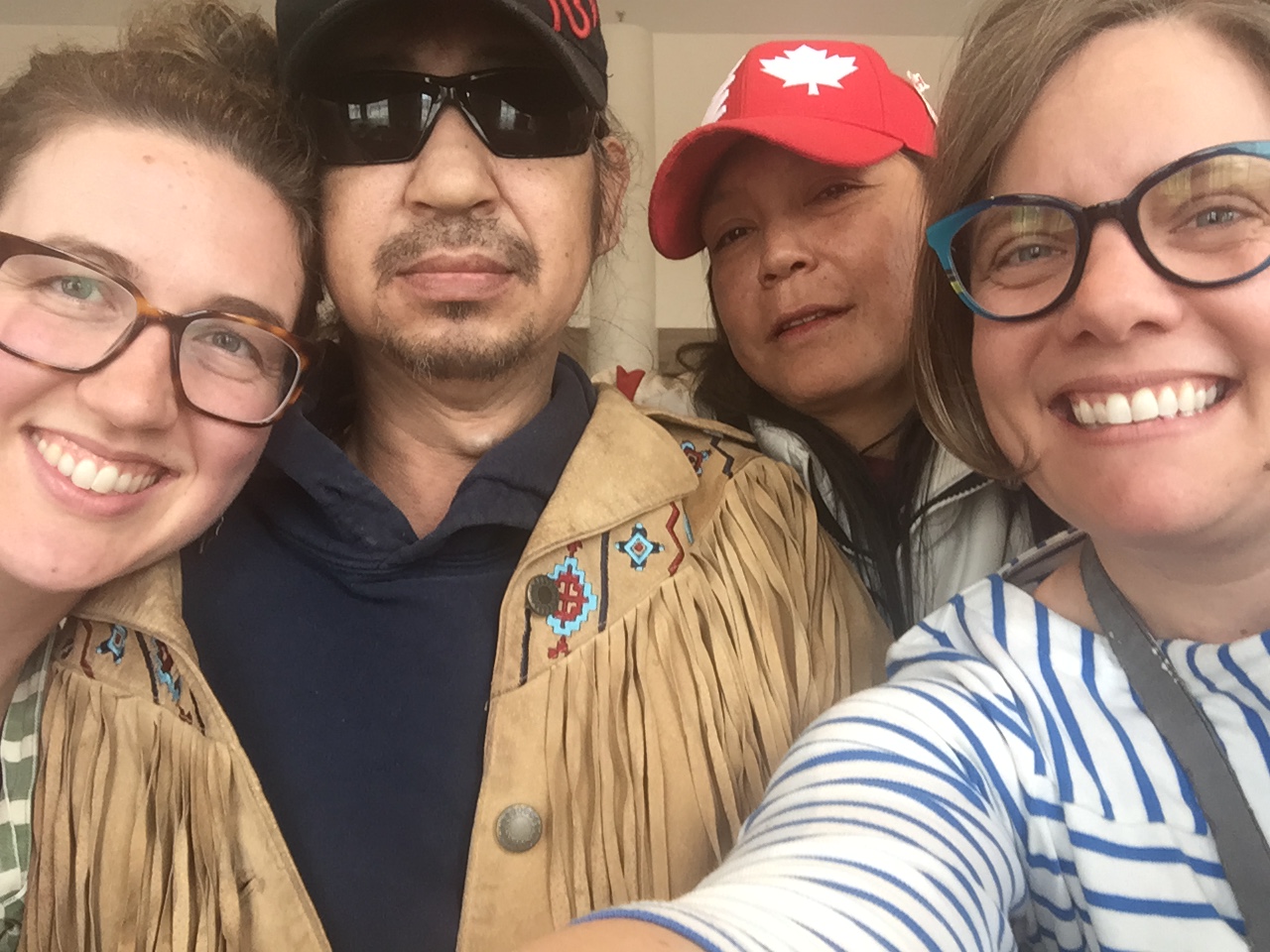
Nor will I forget the time Joanna and I drove Steve to see his niece in the Midland-Penetanguishene area. He kept us entertained with stories the whole way. They had a visit, and then the three of us got back in my van, stopped for subs, and drove all the way back. I wish I had recorded our laughter that day.
For so many years, it was common to see Steve around Parkdale: at the Health Centre, outside the LCBO, on a bench, or in a Dale drop-in. Lately, it became uncommon to see him out and about. His health had taken a real turn, in such a way that we were longing for him to get more medical attention. In true Steve fashion, though, he wanted to live on his own terms, which included staying in his place and not going to the hospital. And so, we would regularly visit him at home.
Last Saturday night, Steve died. Joanna and I were just about en route to see him when his niece shared the news. Because his family is not in Toronto, we were able to go in their stead and sit with Steve while the hospital made arrangements.
It was so sad, and felt so sacred, to be in that dimly lit hospital room. I prayed over Steve. Joanna and I shared memories and spoke words of love and encouragement to our friend. It was, and I still feel shocked to say it, our last visit.
It was not however, the last time I would see Steve. Today, Dion and I drove up to Cedar Point in Tiny, Ontario, to board the ferry to Christian Island, home of the Beausoleil First Nation. The hearse carrying Steve was on that same ferry, carrying him home. We joined his family as they gathered around him in remembrance. Steve will be laid to rest with his ancestors: his mom, dad, and brothers.
Steve, Steve-O, Steven- I love you, buddy. Chi miigwech for being my friend. You are already missed, by me and so many others. We are going to have a service for you at The Dale. You always asked me to play Will the Circle Be Unbroken, and so we will be sure to include it.
We will try to do you justice with our stories and, hopefully, some of your one-liners.
Rest now. This is a see you later, not goodbye.
Steven Ronald Jackson, June 21 1968 – August 15 2026